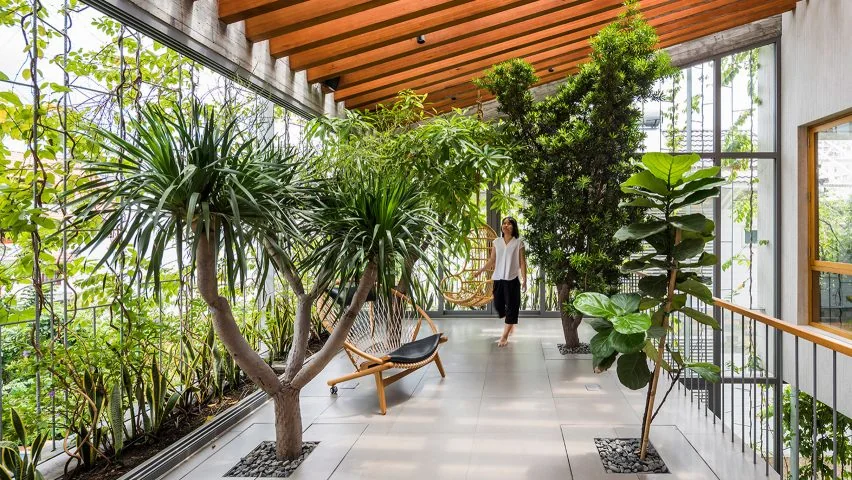
Investing in green homes in bangalore has transformed from a niche lifestyle preference into a mainstream real estate necessity. Rapid urbanization, rising ambient temperatures, and seasonal water shortages have prompted homebuyers across the city to look beyond traditional concrete structures. Modern green residential developments integrate smart rainwater harvesting, rooftop solar arrays, zero-waste management systems, and climate-responsive architecture. By prioritizing IGBC (Indian Green Building Council) or LEED certifications, these eco-conscious homes lower monthly utility costs while protecting the local ecosystem.
What Are Green Homes in Bangalore?
Green homes in bangalore are sustainably engineered residential properties built to minimize environmental impact and maximize resource efficiency. These structures rely on sustainable building practices, eco-friendly materials, and passive design principles to create healthiest living environments.
Core Pillars of Green Housing
- Water Independence: On-site Sewage Treatment Plants (STPs), dual-plumbing networks, and rainwater harvesting recharge wells reduce dependence on municipal water tankers.
- Energy Efficiency: Grid-tied rooftop solar power, low-E glass windows, and high-efficiency HVAC systems reduce grid electricity consumption.
- Materials & Indoor Air Quality: Non-toxic, zero-VOC paints, fly-ash bricks, terracotta facades, and maximized natural cross-ventilation.
5 Essential Features of Green Homes in Bangalore
When evaluating a sustainable property, check for these architectural and functional features:
| Feature | Eco-Friendly Impact | Financial Benefit |
|---|---|---|
| Rooftop Solar PV Panels | Generates renewable power for common area lighting and EV charging. | Cuts society maintenance fees by up to 30%. |
| Rainwater Harvesting & Recharge | Captures surface runoff to replenish local groundwater tables. | Lowers external water purchase costs by 40%. |
| Zero-Discharge Wastewater Systems | Treats greywater for flushing and landscape irrigation. | Preserves freshwater reserves year-round. |
| Passive Thermal Design | Courtyards and cavity walls reduce heat absorption. | Reduces internal cooling loads significantly. |
| Solid Waste Composting | Processes organic waste on-site into natural garden fertilizer. | Minimizes landfill contributions. |
Why Buy Green Homes in Bangalore?
Investing in green homes in bangalore offers a unique combination of environmental responsibility, health benefits, and long-term financial returns. As urban density increases across technology hubs like Whitefield, Sarjapur, and Devanahalli, sustainable properties address critical challenges such as water scarcity and rising energy bills. These eco-friendly residences utilize smart energy grids, advanced rainwater harvesting systems, and natural ventilation designs to reduce carbon footprints while cutting routine utility expenses by 20% to 40%. Buying a certified green property ensures cleaner indoor air, higher resale appreciation, and a healthier lifestyle for modern families in India's technology capital.
Comparing Green Homes vs. Conventional Apartments
Choosing a certified green home yields significant operational savings over time:
- Cost Savings: Reduced monthly power and water bills offset initial purchase premiums within 3 to 5 years.
- Resale Value: Certified green developments consistently command higher market demand and better rental yields across Bangalore's IT corridors.
- Health & Wellness: Superior indoor air quality reduces respiratory issues caused by urban smog.
Explore sustainable homes and luxury eco-villas by Gravity Homes.
Frequently Asked Questions (FAQs)
1. What certifications indicate a green home in Bangalore?
Look for projects certified by the IGBC (Indian Green Building Council) or GRIHA (Green Rating for Integrated Habitat Assessment). Certifications range from Certified to Silver, Gold, and Platinum levels based on performance across energy, water, and waste categories.
2. Are green homes in Bangalore more expensive to buy?
Initial purchase prices may carry a slight 2% to 5% premium due to sustainable materials and green technology installation. However, reduced maintenance charges and lower monthly utility costs quickly offset this initial difference.
3. What is the difference between an IGBC Pre-Certification and a Final Certification?
An IGBC Pre-Certification is awarded based on architectural plans and planned sustainable measures submitted before construction begins. Final Certification is issued only after construction is complete, following physical on-site audits that verify all energy, water, and waste features were implemented as promised. Always ask developers for the final certificate if the project is ready-to-move-in.
4. How do green homes in Bangalore tackle seasonal water shortages?
Green residential societies combine high-capacity rainwater recharge wells, roof-top harvesting tanks, and zero-discharge Sewage Treatment Plants (STPs). STP-treated greywater is recycled for toilet flushing and landscape maintenance, reducing reliance on external tanker deliveries by up to 40%–50%.
5. What structural design features reduce thermal heat inside Bangalore apartments?
Builders use passive thermal design techniques, including terracotta brick cladding, cavity walls, double-glazed (Low-E) windows, and high-SRI (Solar Reflective Index) white roof coatings. These features minimize solar heat gain through the building's exterior, keeping indoor spaces significantly cooler and reducing seasonal air conditioning usage.
6. Do green homes in Bangalore provide electric vehicle (EV) charging infrastructure?
Yes, modern green building ratings (IGBC/GRIHA) reward developers for allocating designated EV charging points across parking levels. Most eco-friendly housing projects in Bangalore integrate smart grid EV chargers powered directly by common-area solar PV arrays.